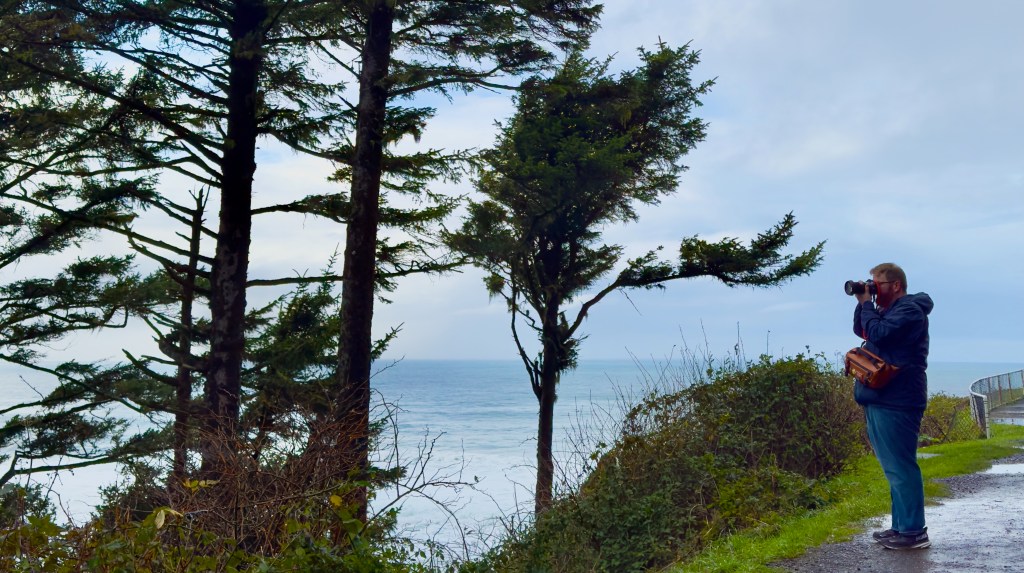
In March of this year my wife and I took a trip to the East Coast to visit New York City and Washington DC. For her, it was a chance to catch up with friends she hadn’t seen in years. For me, it was a great excuse to upgrade my camera gear. During the pandemic I had picked up an entry level Canon digital camera, and while it had served as a great learning tool it left much to be desired the longer I used it. When Canon announced the retirement of the lens format my camera used, it became even easier to justify buying a new camera.
With wife approval secured, I started researching a new camera. I ended up changing to Sony’s system. Reviewers noted the great auto focus and animal tracking capabilities. Which, as someone who owns a pair of Cardigan Corgis, sounded great. They’ve also got an open format for lenses, which means more options and lower prices than one can get on a Canon. After much researching I landed on the Sony A7Cii.
It’s got a full frame sensor, which means if my feet can’t get me close enough to the subject, I can crop the final picture without sacrificing all the detail. It’s also small and compact which makes it easier to carry around all day. The rangefinder viewer feels better with my glasses. Finally, it has seven stops of in body image stabilization, which these hands definitely need.
My budget allowed one reasonably priced lens, so I went with Sony’s 40mm/F2.5 compact lens. The size felt really bag friendly, and it produces a result similar to what the naked eye sees (perspective wise). Which is how I wanted to document our trip. It ended up working great for me, and if the weather had cooperated beyond a single day of sunshine, I would have taken a lot more pictures in New York City.
As an amateur photographer I’ve found the camera easy enough to use (with the assistance of a few guides). The auto focus is indeed as advertised. It feels like magic watching how effortlessly it seems to track the corgis as they run around. There’s not been anything that I couldn’t do that I felt like I should be able to do.
After getting back I bought a Sigma 24-70mm/F2.8 lens (just two weeks before they announced the revised version, sigh) I failed to judge how big it would be on a compact camera body. It looks ridiculous, but it takes great pictures. The real problem of this big lens is that it ruins the whole “small & portable” element of the A7Cii. Going forward, I will probably never buy a lens bigger than this one and I may even end up trading this one in for something smaller.
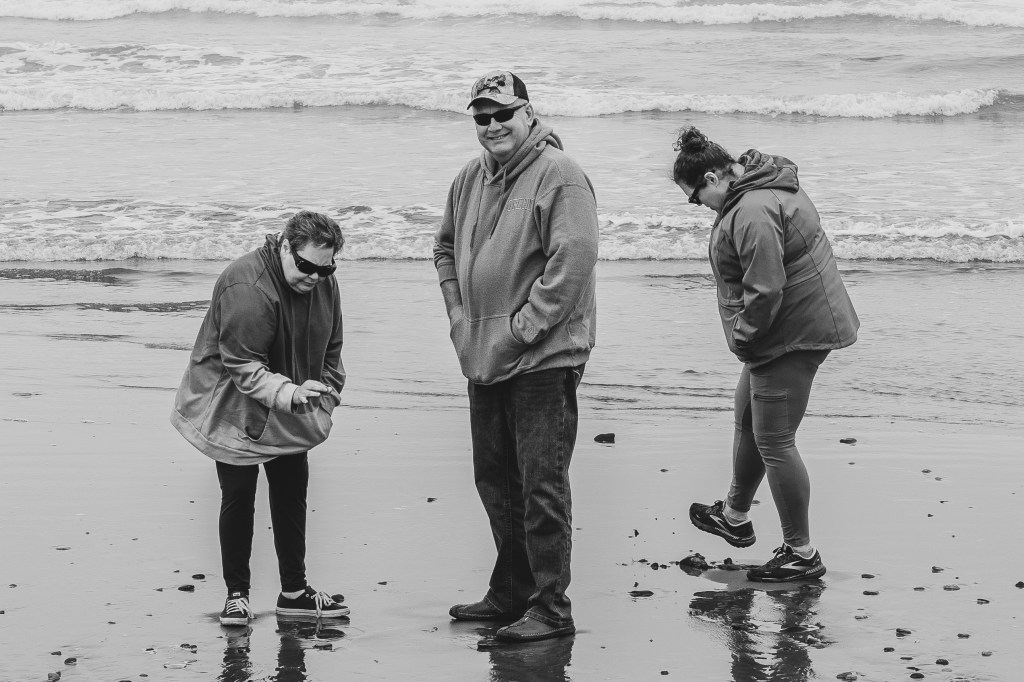
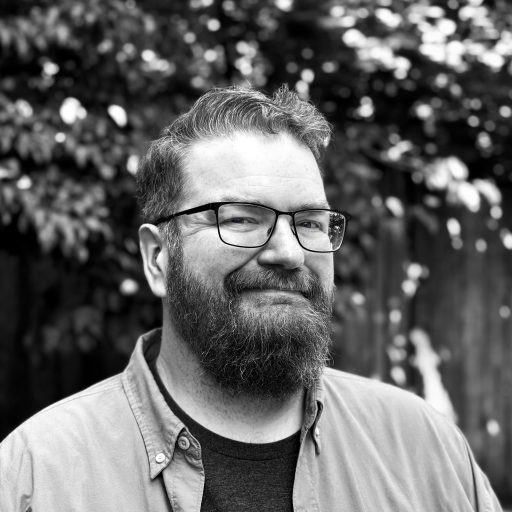
It was because of this experience that I participated in the Kickstarter for Viltrox’s 28mm/F4.5 auto focus capable pancake lens that’s the size of a lens cap. I didn’t get a chance to use it until Christmas, where it ended up performing great. It has a tendency to suffer from a hazy flare depending on the lighting, but the crunchy photos it produces give an old school point and shoot disposable camera vibe. Which I think is great for a candid portraits of family members. Because of how the colors came out a bit wishy washy, I ended up making all the resulting photos black & white. This both hid the shortcomings of the lens and also further leaned on the retro vibes.
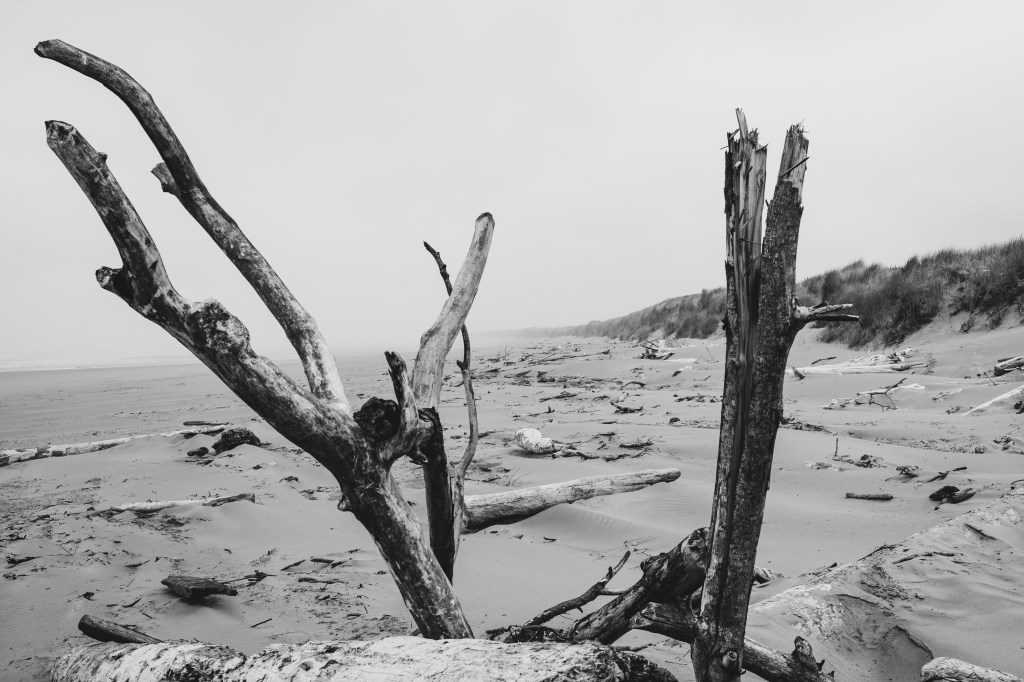
Honestly, I ended up with a lot more black and white photos this year than I expected at the start of the year. It’s not that I was against them, I just didn’t gravitate towards them when scrolling though photos online. I wanted punchy beautiful colors and strong contrast in my photos. But, all year long it felt like we’d go somewhere only to have it be overcast or raining when it came time for me to get my camera out. At first, I found this pretty dispiriting, but I saw a few tutorials on YouTube about how to make the most of an overcast day and they all mentioned black and white photos. I started experimenting with editing my photos this way, and was surprised how much more there was to the process than just taking the color slider and going to zero. It’s taken awhile, but I think that I’ve found a look that I like for my photos.
Speaking of discovering new things, after a year with a full frame sensor I can safely say that I probably would have been just as happy with a smaller APS-C sensor fitted camera. And the size and cost savings on lenses would have been great too. I’m gonna justify the full frame sensor by getting my photos printed and hung. Then everyone can stand there and appreciate the extra money I spent on the camera and lenses.
I also have enjoyed my days shooting with prime lenses more than the Sigma zoom lens. Which was a big surprise. When I bought it, I thought being able to change from 24mm to 70mm on the fly would open up a lot of new photo opportunities. But, in fact being “stuck” at one focal length forces me to stop and think more about my composition. I tend to fall down a rabbit hole playing with multiple focal lengths on the same item. So I think that a camera like the Fujifilm X100VI with its built-in lens would have been just fine for me. Honestly, it’s probably the camera I’d recommend to anyone looking for something to learn on.
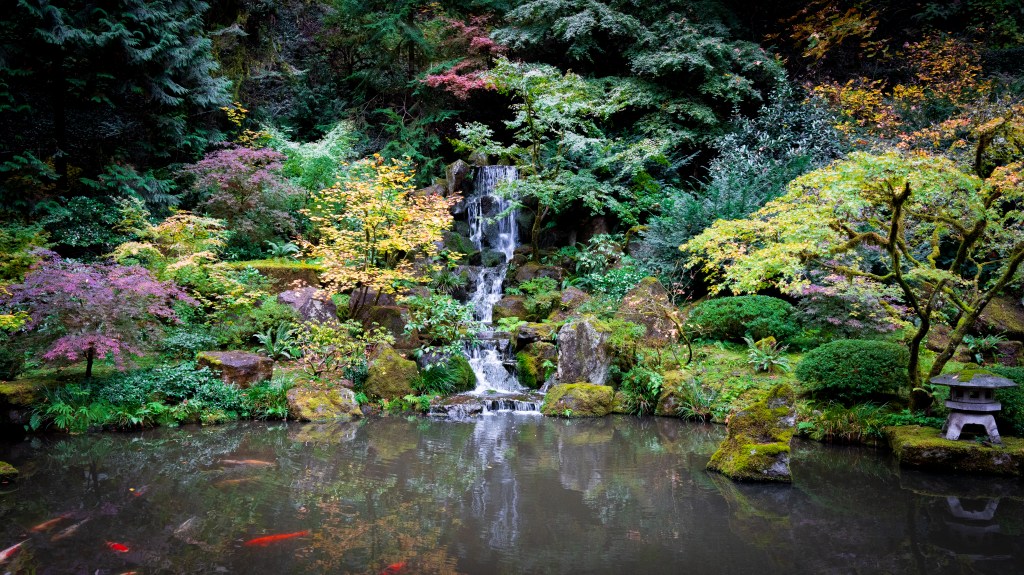
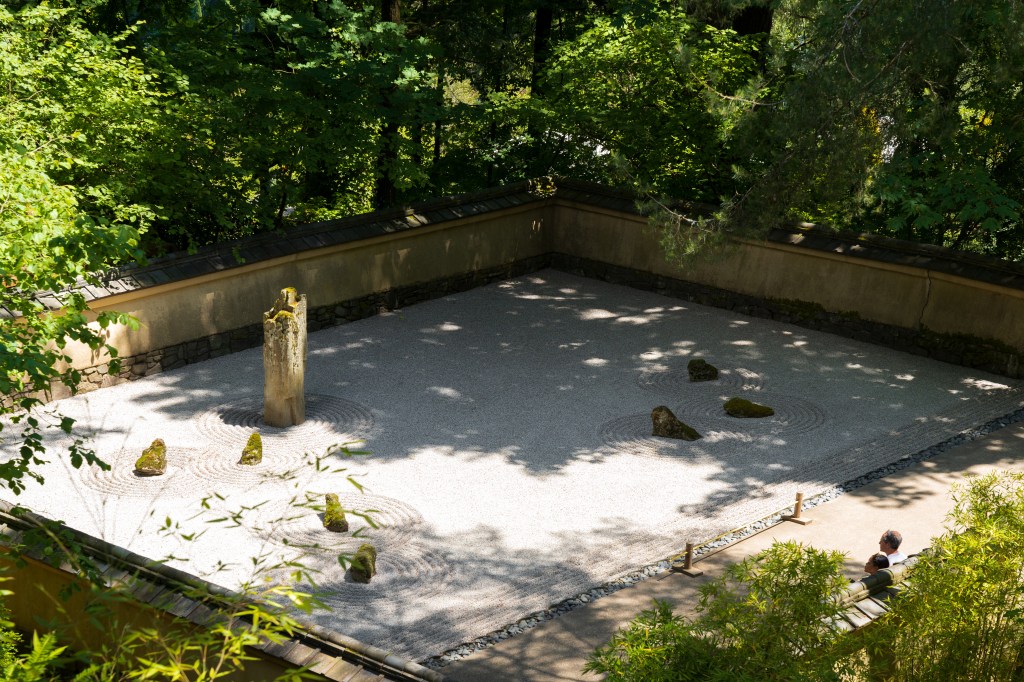
Besides wishing for some better days, with beautiful light, my wish list for 2025 includes a wider-angle lens. There were a lot of photos I didn’t get at the Japanese Gardens because I couldn’t get everything into the frame. I’m hoping to get a wider lens in time for those beautiful fall leafy days. I’ve been eyeballing the Sony 16-25mm a lot recently. Though, the Sony 16-35mm PZ also seems like something I’d enjoy. Lightweight, small, and covers the range of focal lengths I enjoy shooting in the most.
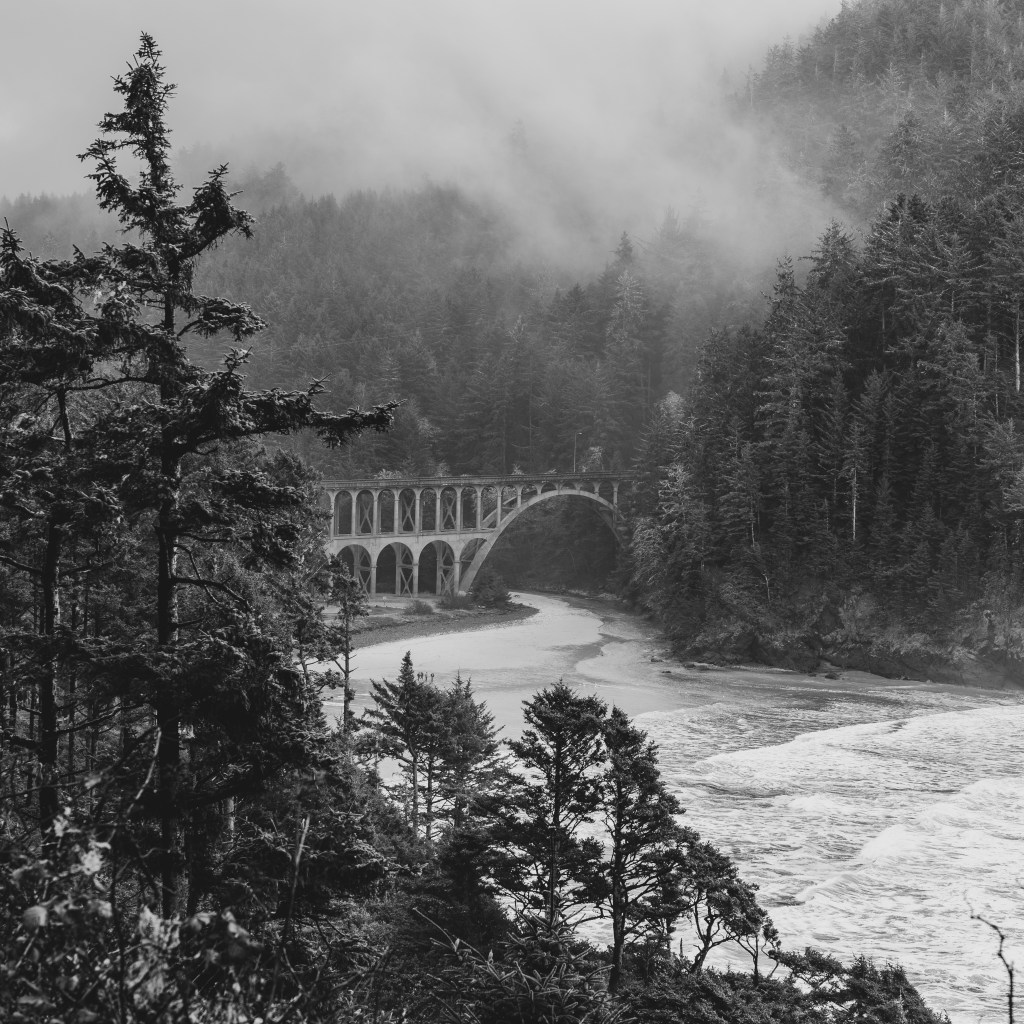
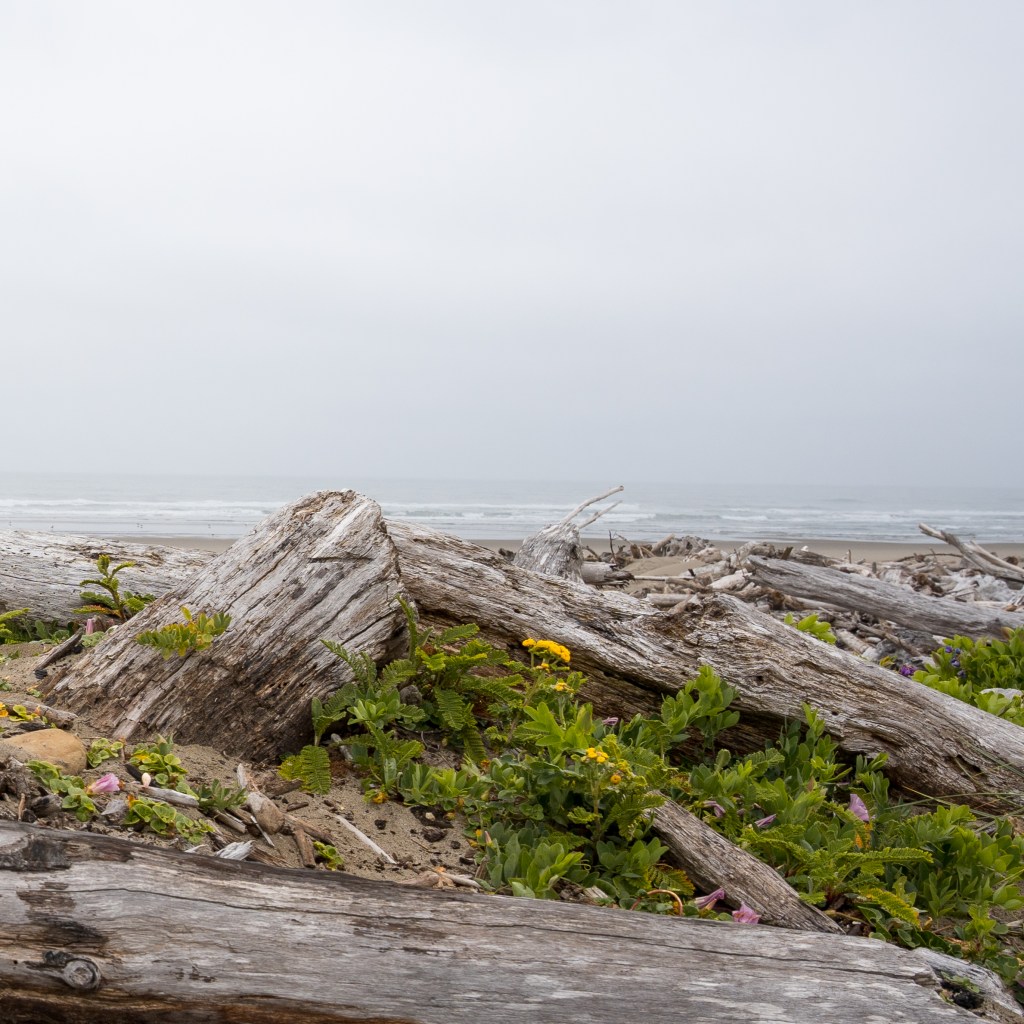
There’s also the rumored Fujifilm medium format fixed lens portable camera, in the vein of the X100VI. I like the idea of something that requires taking your time to line up a photo. On of my favorite places to photograph is the Oregon coast and a medium format camera could produce some great photos. However, I’m going to need to sell a lot more books before I can put another camera in my bag.
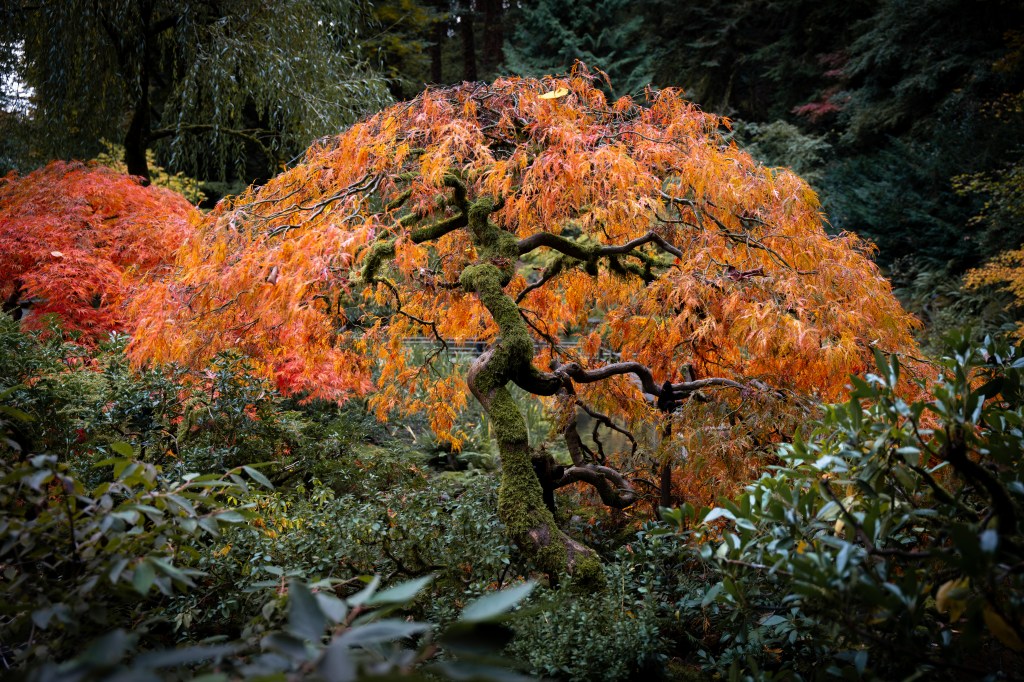
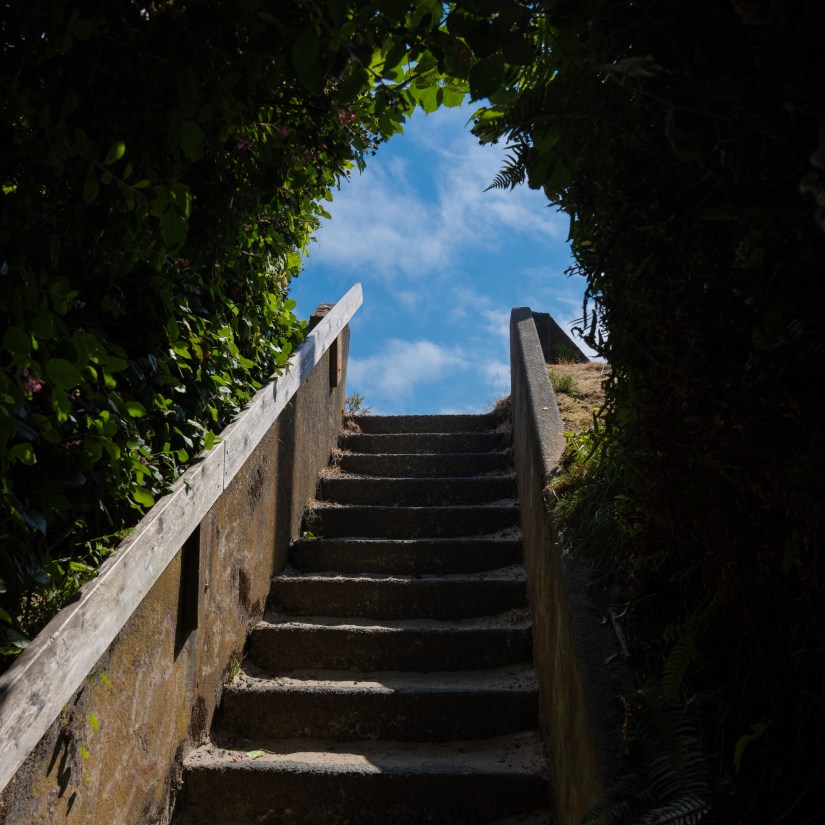
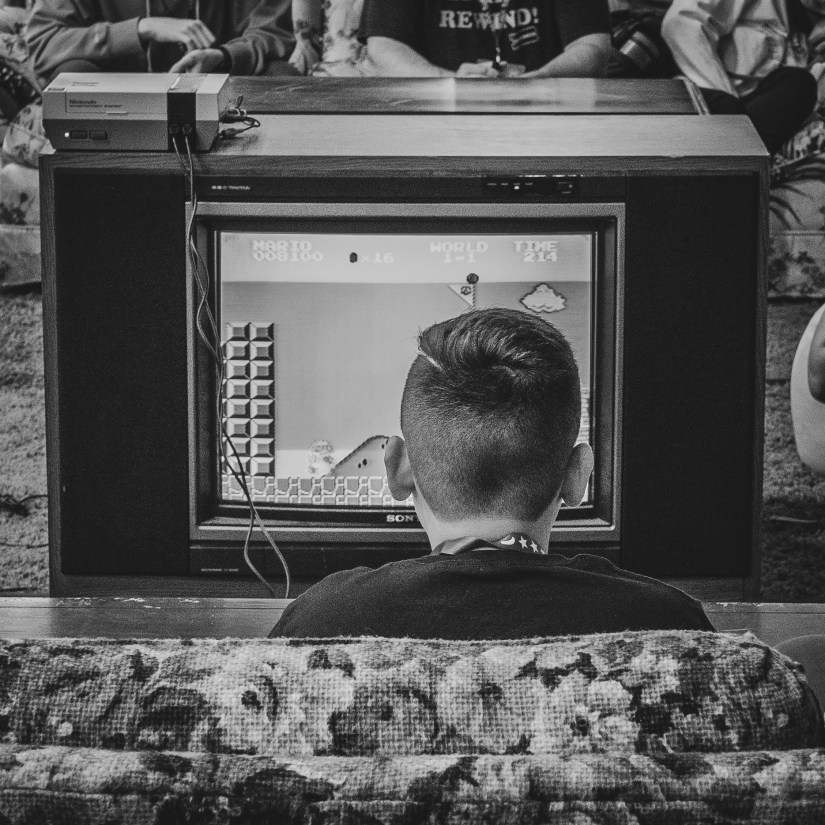
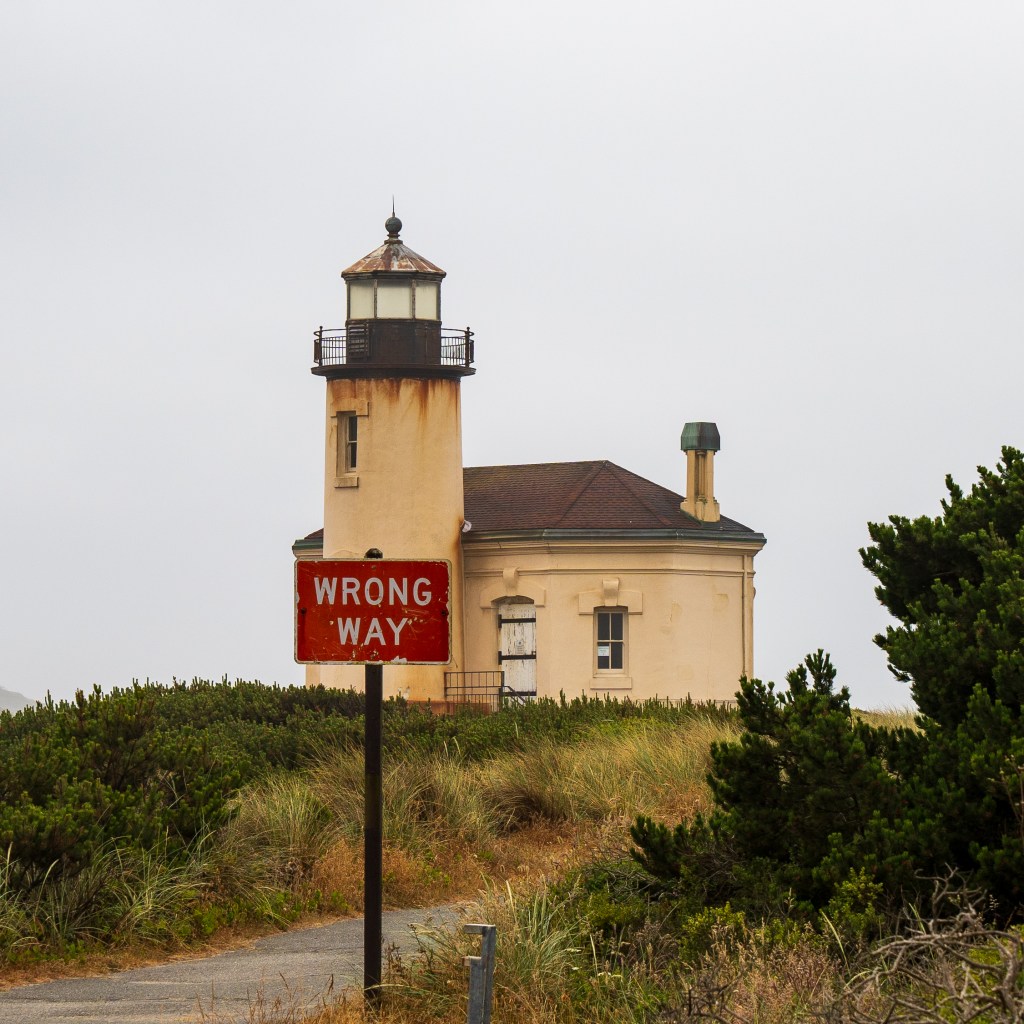
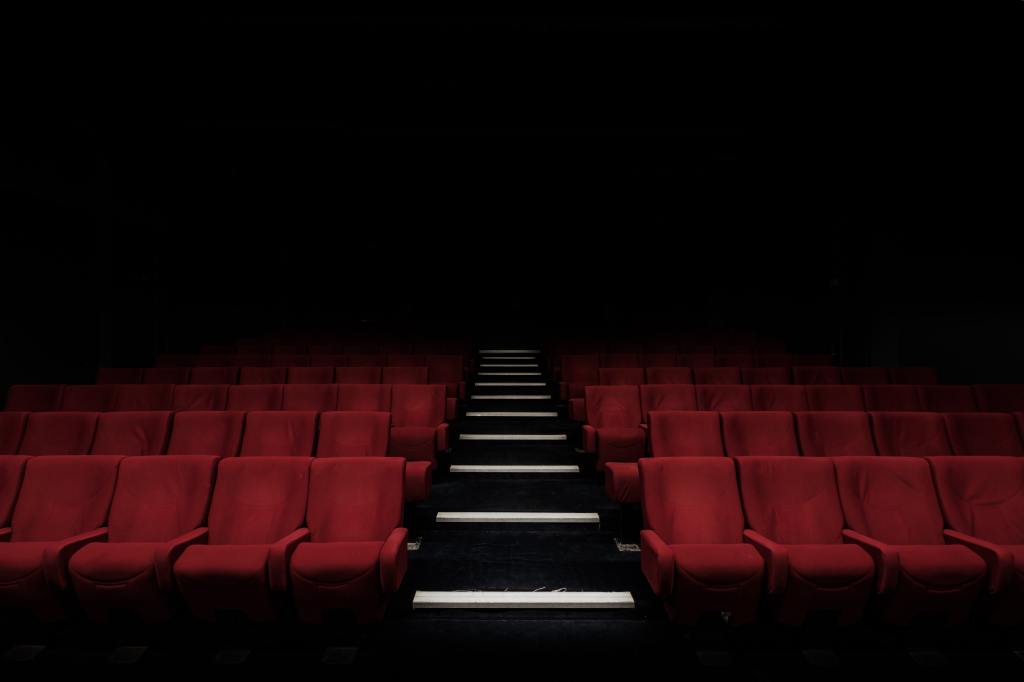
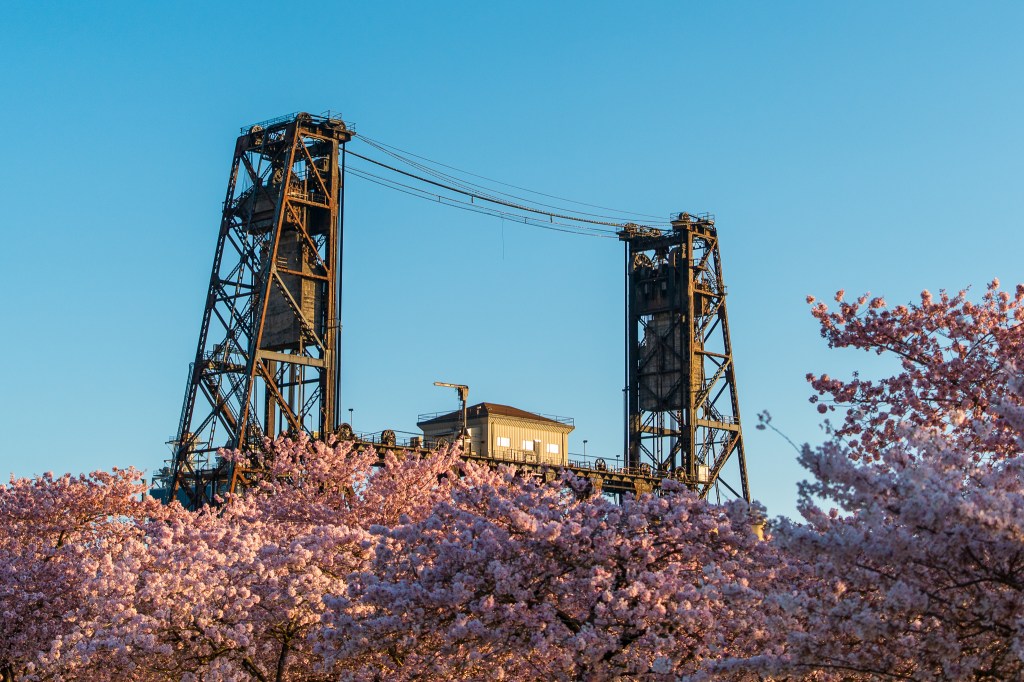
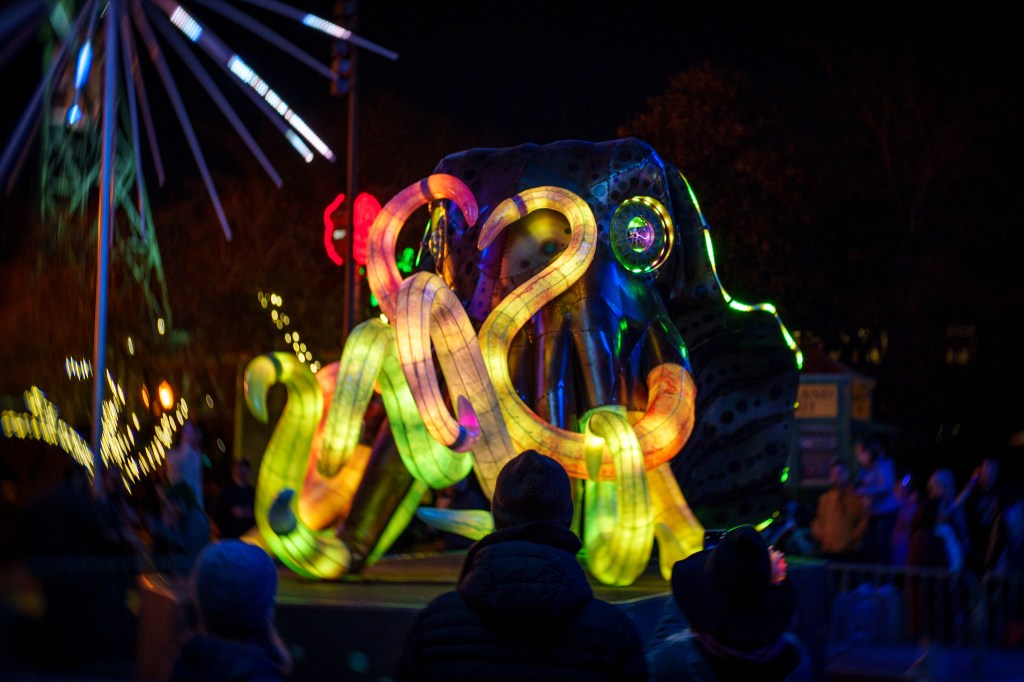
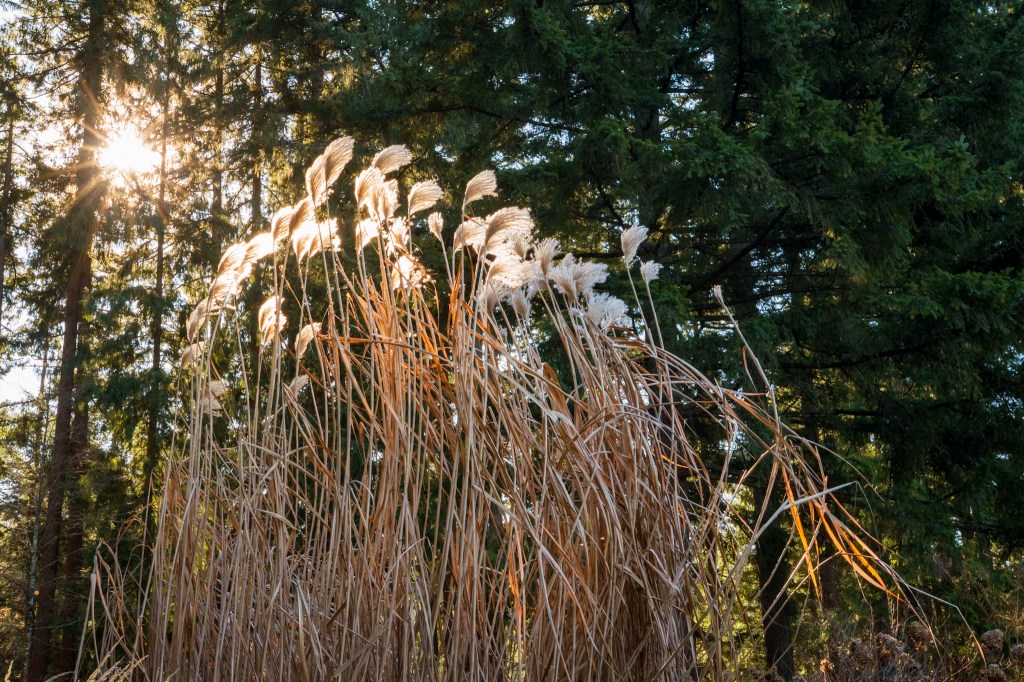
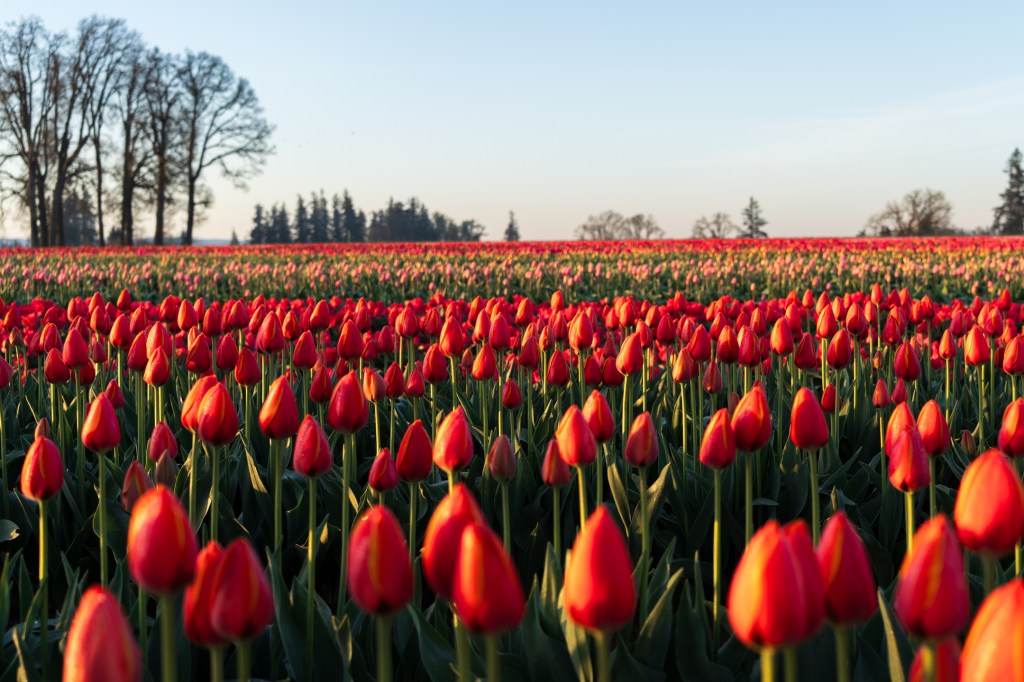
Anyway, enough camera talk. Here’s a selection of my favorite photos from this year.









 RossWeisfish.com